
NABALAWAG, Special Geographic Area, BARMM — Residents of Barangay Kadingilan, particularly communities in Nabalawag, were forced to flee their homes once again on Saturday, November 21, 2026, following a reported armed attack targeting the compound of Vice Mayor Peng “Samurai” Akmad Lakiman.

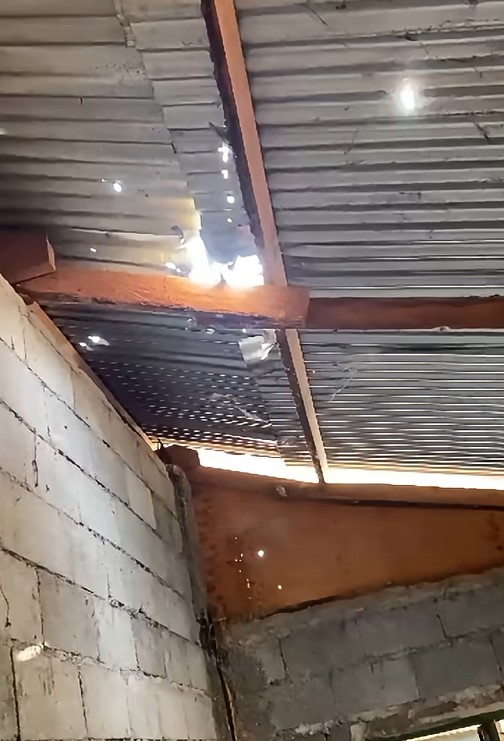
The renewed violence came just two days after some residents had returned to their homes following an earlier displacement caused by clashes between armed groups. The latest incident has revived fears among civilians who had hoped that the presence of security forces and previous ceasefire interventions would allow them to resume their normal lives.
Reports from the community indicated that armed individuals attacked the vice mayor’s compound, with a rocket-propelled grenade launcher reportedly used during the incident. A projectile allegedly struck a residential structure within the compound. No civilian casualties were reported, according to a statement circulated by local residents.
The attack reportedly affected residents in Sitio Alim and surrounding communities, some of whom had only recently returned after spending weeks away from their homes. Other families have reportedly remained in the barangay covered court for more than two months because of continuing security concerns.
Renewed displacement raises humanitarian and security concerns
The latest incident marks another setback for communities that have endured repeated displacement because of armed confrontation.
The conflict in Nabalawag first escalated on September 16, 2026, when more than 700 residents were reportedly forced to evacuate their homes amid fighting between two armed groups. The hostilities eventually subsided following ceasefire interventions involving peace mechanisms and security forces, allowing some displaced families to return.
However, the November 21 incident demonstrated how fragile the security situation remains, particularly for civilians living near areas affected by the confrontation.
For families who had just returned, the renewed violence meant abandoning their homes, possessions, livelihoods, and whatever sense of security they had managed to regain.
Residents have appealed to the Bangsamoro government, particularly Chief Minister Abdulraof “Sammy Gambar” A. Macacua, to intervene and find a lasting solution to the recurring violence.
In a public appeal, community members and their barangay leadership expressed frustration over the continuing instability, saying the conflict had already affected their lives even before the parliamentary elections.
They also questioned the effectiveness of existing security arrangements, noting that military personnel had reportedly been stationed at a school near the vice mayor’s compound before the latest incident.
Residents called for justice and accountability, stressing that the use of heavy weapons in populated communities places innocent families at serious risk.
Military deploys additional forces, armored vehicle
The 33rd Infantry (Makabayan) Battalion confirmed responding to reports of a shooting incident in Sitio Bintad, Olandang, Nabalawag, on November 21.
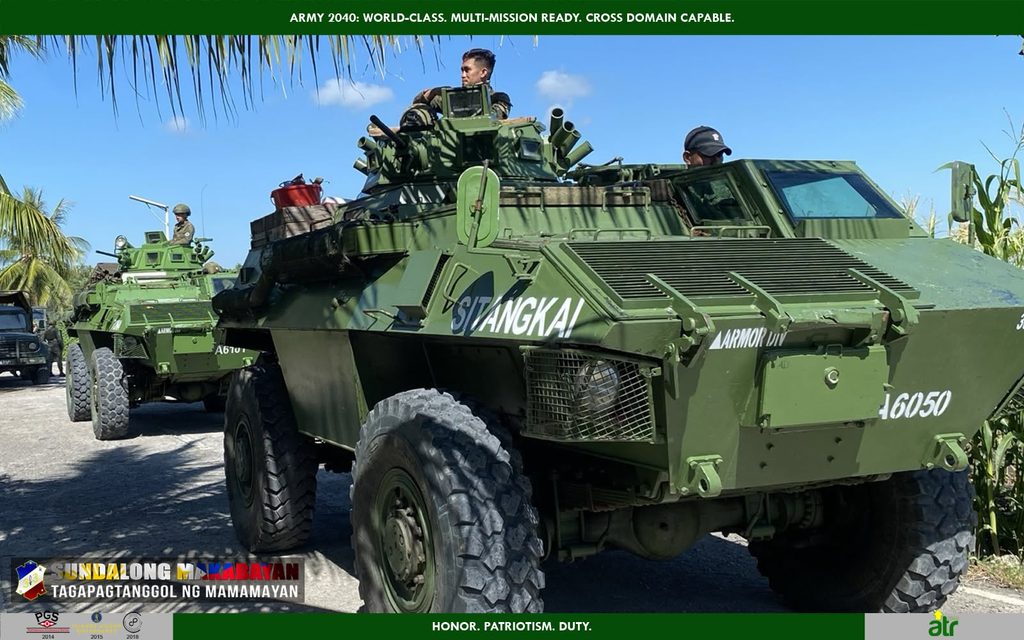
The battalion also deployed a company-sized military element, supported by a Wheeled Armored Vehicle (WAV) from the 3rd Cavalry (3 CAV), Armor Division of the Philippine Army, following reports of an armed encounter in Sitio Alamada, Barangay Kadingilan.
According to the military, the deployment was intended to reinforce security in the affected areas, prevent renewed hostilities, and contain tensions between the groups involved.
Troops also conducted community visitation activities in Upper Kadigasan, Barangay Kadigasan, reaching approximately 177 families.
Led by Lieutenant Colonel Germen T. Legada, commanding officer of the 33rd Infantry Battalion, the activity sought to assess the situation of residents and determine their safety and immediate concerns following the armed confrontation.
The military said direct engagement with residents would help strengthen coordination and encourage community participation in maintaining peace and security.
The battalion also reiterated its appeal for all parties to exercise restraint and pursue peaceful means of resolving their differences.
Residents demand lasting peace, not temporary ceasefires
The latest developments have prompted renewed calls from residents and concerned members of the public for government intervention, an impartial investigation, and stronger protection for civilians.
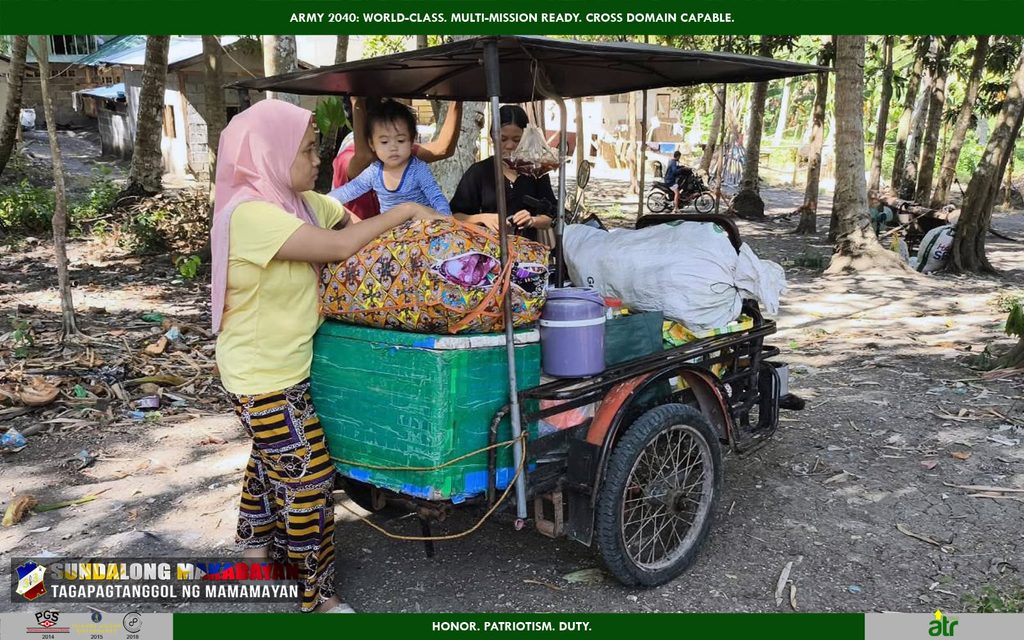
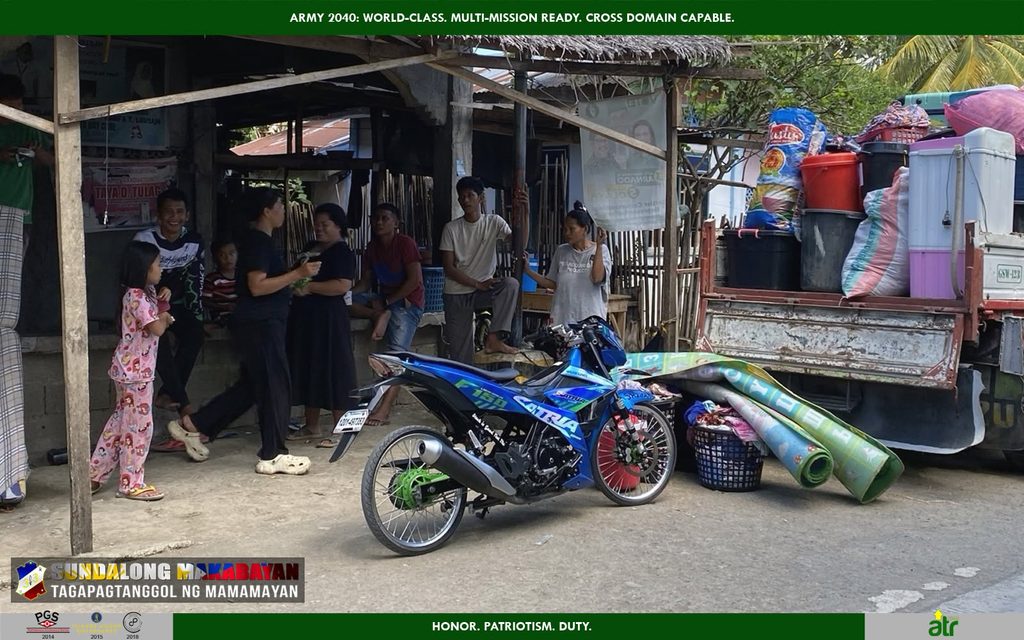
In public messages circulating online, residents questioned how long their communities would remain trapped in recurring violence and displacement.
They urged those involved in the conflict to abandon armed confrontation and resolve grievances through lawful processes rather than resorting to weapons and violence.
Their appeal also placed responsibility on government authorities and security institutions to ensure that civilian protection goes beyond military deployments and temporary ceasefire arrangements.
While the military has increased its presence and conducted community visits, residents continue to face uncertainty over whether they can safely return to their homes and remain there without fear of another attack.
The situation underscores the need for a coordinated response involving security forces, local government officials, traditional and community leaders, and established peace mechanisms.
Beyond containing armed groups, authorities face the larger challenge of addressing the underlying sources of tension, ensuring accountability, preventing further displacement, and restoring public confidence.
For the people of Nabalawag, peace cannot simply mean a temporary halt in gunfire. It must mean being able to sleep in their own homes, send their children to school, earn a living, and move around their communities without fearing that another armed confrontation could force them to flee.
The people of Nabalawag need lasting peace, civilian protection, and accountability—not another cycle of violence, displacement, and uncertain returns.