
SAPA-SAPA, Tawi-Tawi — In a continuing effort to protect one of the Philippines’ most remarkable natural attractions, the Philippine Air Force (PAF), through its Tactical Operations Group Sulu-Tawi-Tawi (TOG SulTaw), spearheaded a coastal cleanup drive at Panampangan Island on November 14, 2026, bringing together government officials, students, and community stakeholders in a collective campaign to preserve the province’s marine and coastal environment.
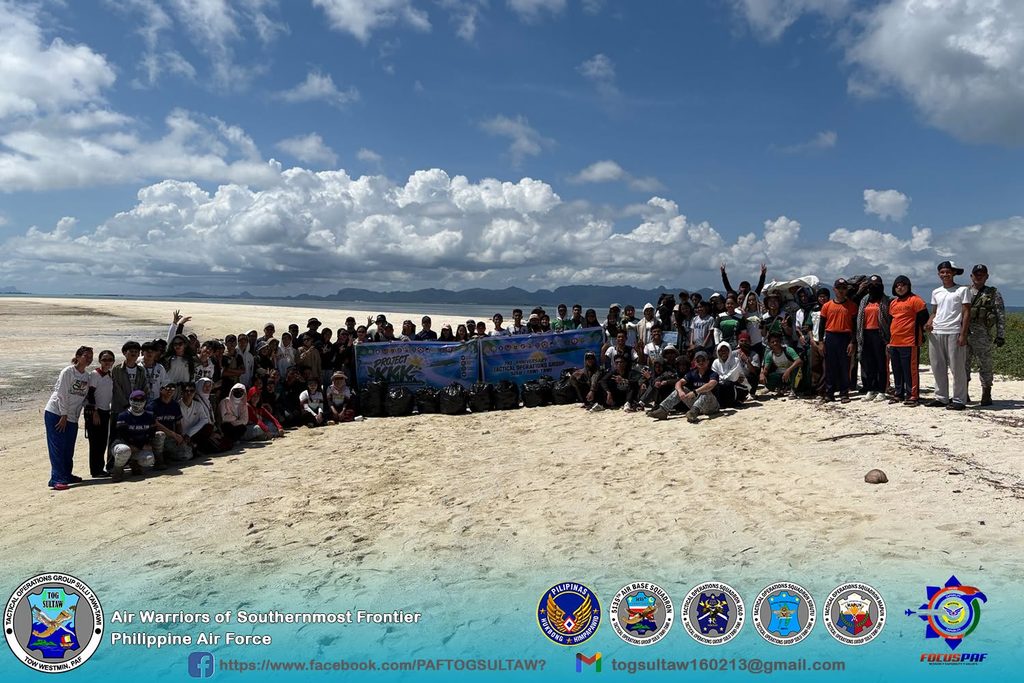
Dubbed the Longest Sandbar Coastal Clean-Up Drive, the initiative was conducted under Project Kabataang Kalikasan Para sa Kaunlaran (Project KKK), the PAF’s community engagement and environmental stewardship initiative aimed at encouraging public participation, particularly among the youth, in protecting natural resources.
The activity mobilized NSTP coordinators, student leaders from various schools in Bongao, representatives of local and provincial government units, members of the Bangsamoro Parliament, and personnel from uniformed services stationed in Tawi-Tawi. Their participation underscored the importance of collaboration among government institutions, educational organizations, security forces, and local communities in addressing environmental concerns.
Beyond the cleanup itself, the initiative highlighted the importance of protecting Panampangan Island as both an environmental treasure and a growing tourism destination.
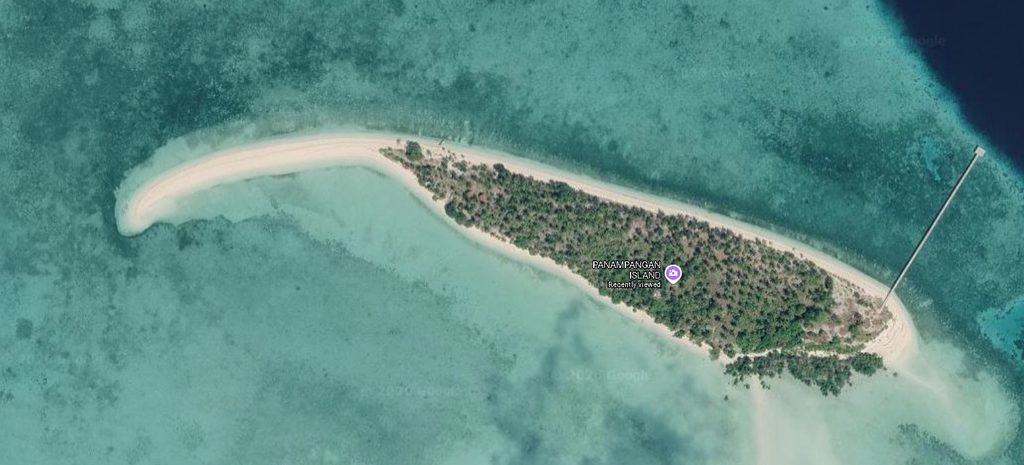
Recognized as the Philippines’ longest sandbar, Panampangan Island is among Tawi-Tawi’s most distinctive natural attractions. Its expansive stretch of white sand, surrounded by clear coastal waters, gives the island considerable potential to attract local and international visitors seeking pristine beaches and nature-based tourism experiences.
However, the island’s tourism value also comes with the responsibility of protecting its fragile coastal ecosystem. The accumulation of plastic waste, discarded materials, and other forms of marine litter can threaten the island’s natural beauty, affect marine life, and undermine the quality of the visitor experience if not properly addressed.
Regular coastal cleanup activities, responsible waste management, and stronger environmental awareness among residents and visitors are therefore essential to maintaining the island’s appeal while safeguarding its ecological integrity.
The participation of students and youth leaders was particularly significant, as environmental protection requires sustained community involvement beyond occasional cleanup campaigns. By engaging young people in hands-on conservation activities, Project KKK also provides an opportunity to develop environmental responsibility and encourage the next generation to become active partners in protecting Tawi-Tawi’s natural heritage.
The involvement of government representatives and uniformed personnel likewise demonstrated how environmental conservation can become a shared responsibility that extends beyond the mandates of individual agencies.
For Tawi-Tawi, where coastal and marine resources are closely linked to community livelihoods, food security, and tourism development, protecting destinations such as Panampangan Island is also an investment in the province’s long-term economic and environmental sustainability.
The cleanup drive reflects the growing importance of responsible tourism, where the preservation of natural attractions must go hand in hand with tourism promotion. Keeping the island clean, protecting its surrounding waters, and encouraging visitors to respect the environment can help ensure that its natural beauty remains an asset for future generations.
TOG SulTaw emphasized that the Philippine Air Force’s commitment to public service goes beyond its traditional security and operational responsibilities. Through community engagement, youth empowerment, and environmental initiatives, the PAF continues to strengthen its role as a partner in local development.
Ultimately, the November 14 activity served as a reminder that preserving Panampangan Island is not the responsibility of a single institution or sector. Its protection requires the continuing cooperation of government agencies, educational institutions, local communities, businesses, and tourists.
As Tawi-Tawi continues to draw attention for its extraordinary coastal landscapes and tourism potential, collective efforts to protect its natural resources will be crucial in ensuring that Panampangan Island remains a source of pride, livelihood, and sustainable tourism for generations to come.