
DAVAO CITY — Davao City is strengthening its regional and international partnerships as Mayor Sebastian Z. Duterte held separate engagements with senior Malaysian and Singaporean officials, highlighting opportunities for cooperation in agriculture, food security, tourism, investment, transportation, and urban modernization.
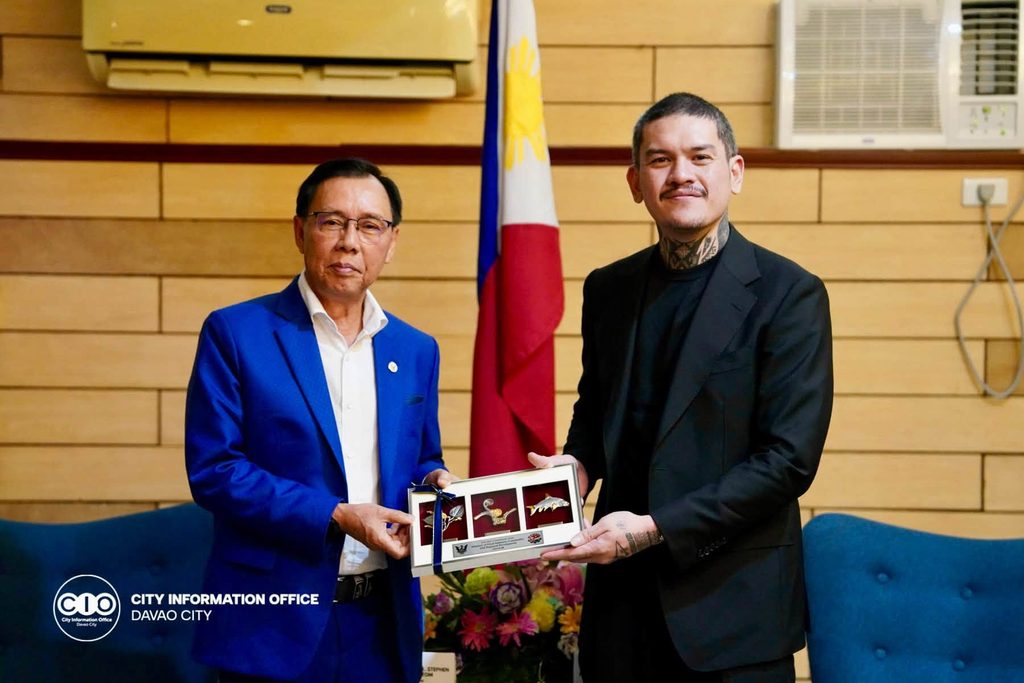
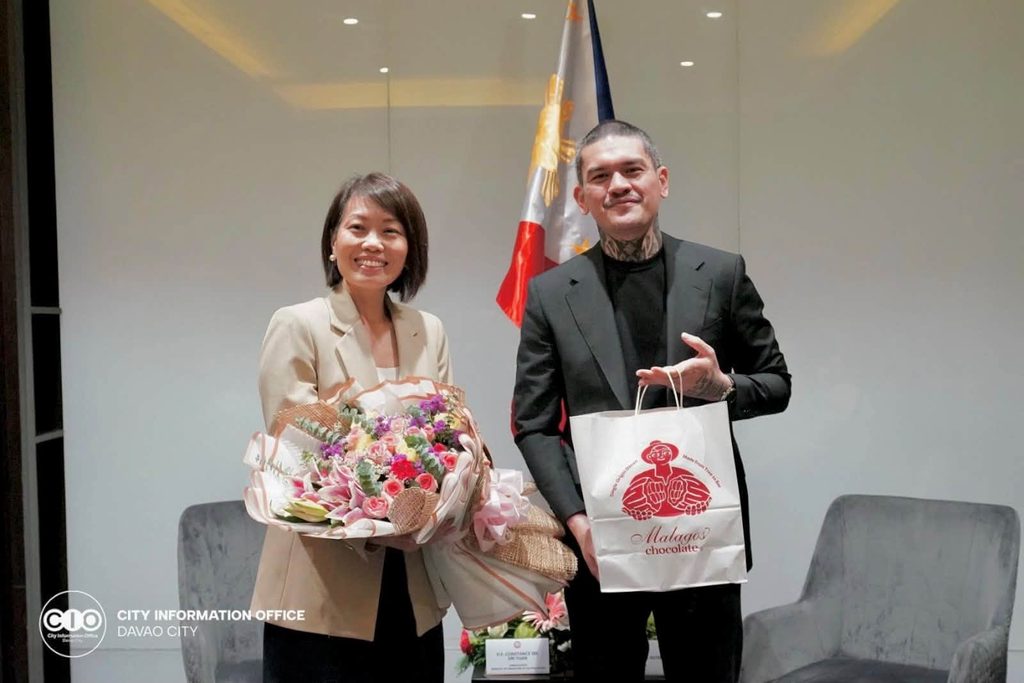
The meetings with Malaysian Minister for Food Industry, Commodity and Regional Development of Sarawak YB Dato Sri Dr. Stephen Rundi Utom and Singapore Ambassador to the Philippines Her Excellency Constance See Sin Yuan underscored Davao City’s growing engagement with neighboring economies and its efforts to expand partnerships that could support local development.
Malaysian Delegation Explores Davao’s Agricultural Potential
Mayor Duterte welcomed Minister Dr. Stephen Rundi Utom during a courtesy meeting in Davao City on September 21, as the Malaysian official led a delegation visiting the city to examine its agricultural and agro-industrial capabilities.
The Malaysian delegation is scheduled to visit selected agricultural areas and food-processing facilities in Davao City, providing an opportunity to observe local production systems and explore possible areas of cooperation between Davao City and Malaysia.
The visit places particular attention on the city’s agriculture and food-processing sectors, which are central to efforts to maintain a reliable food supply while creating opportunities for investment, technology exchange, and stronger regional market linkages.
During the meeting, Mayor Duterte emphasized Davao City’s goal of strengthening food security and expressed support for programs, investments, and partnerships that can contribute to the growth and modernization of the agricultural sector.
For Davao, strengthening food security involves not only maintaining sufficient supplies but also supporting the farmers, producers, processors, and other sectors that form part of the local food system. Engagement with regional partners such as Malaysia could open opportunities for cooperation in areas connected to agricultural production and agro-industrial development.
The Malaysian delegation’s planned field visits are expected to provide a closer look at Davao’s agricultural resources and food-processing facilities while allowing both sides to identify potential areas where technical cooperation, investment, and business linkages may be developed.
Singapore Partnership Remains on the Agenda
The latest Malaysian engagement came just days after Mayor Duterte met with Singapore Ambassador Constance See Sin Yuan on the sidelines of the Davao-Borneo Growth Corridor Forum 2026 at the SMX Convention Center in Davao City on September 18.
The meeting marked the second official engagement between Mayor Duterte and Ambassador See, following their first meeting in June 2024.
The discussion reaffirmed the continuing relationship between Davao City and Singapore and their shared interest in identifying additional areas for cooperation.
Among the areas highlighted were tourism, investment, transportation, and modernization — sectors that are closely linked to Davao’s ambitions to strengthen its position as a major economic and service center in Mindanao.
The engagement also reflects the broader regional context of Davao’s economic relationships with neighboring countries in Southeast Asia. Its geographic position in Mindanao places the city within a wider network of commercial, tourism, agricultural, and transportation connections involving Borneo and other parts of the region.
From Agriculture to Urban Modernization
Taken together, the two diplomatic engagements demonstrate the range of areas in which Davao City is seeking to develop external partnerships.
The Malaysian discussions focused heavily on agriculture, food processing, food security, and agro-industrial opportunities, while the Singapore engagement covered tourism, investment, transportation, and modernization.
These areas are interconnected. Agricultural development and food processing can strengthen local supply chains and create economic opportunities, while improvements in transportation and urban infrastructure can support the movement of people, goods, and investments.
For Davao City, the challenge is to translate international engagements and courtesy meetings into concrete cooperation, investments, technical exchanges, and programs that can deliver measurable benefits to local communities and businesses.
The meetings also come as Davao City continues to position itself as a gateway for economic engagement between Mindanao and neighboring markets in Southeast Asia.
With Malaysia and Singapore both maintaining established economic links with the Philippines, strengthened city-level engagement could provide additional channels for collaboration beyond traditional national government-to-government relations.
Building Regional Connections
The presence of a senior Sarawak official and the continuing engagement with Singapore’s diplomatic mission highlight the importance of Davao City’s regional connections as it seeks new opportunities for development.
Sarawak, located on the island of Borneo, has geographic and economic links with the wider Southeast Asian region, while Singapore serves as a major regional center for investment, transportation, trade, and tourism.
For Davao, stronger connections with both can potentially broaden opportunities for its agricultural producers, food-processing sector, tourism industry, investors, and urban development initiatives.
The recent meetings therefore extend beyond ceremonial diplomacy. They provide platforms for discussions on practical areas of cooperation, from ensuring a stable food supply and developing agricultural industries to attracting investment and advancing transportation and modernization initiatives.
As the Malaysian delegation continues its visit to selected sites in Davao City, attention will now turn to whether the discussions can lead to specific partnerships and projects.
For a city seeking to strengthen its role in the regional economy, the engagements with Malaysia and Singapore offer another avenue for building connections across borders while keeping local priorities — food security, agricultural growth, investment, mobility, tourism, and modernization — at the center of its international partnerships.