
MANILA, Philippines — The Commission on Elections (COMELEC) has begun the disposal of 2,420,904 official ballots that were printed for the now-postponed Bangsamoro Autonomous Region in Muslim Mindanao (BARMM) Parliamentary Elections originally scheduled on October 13, 2025.
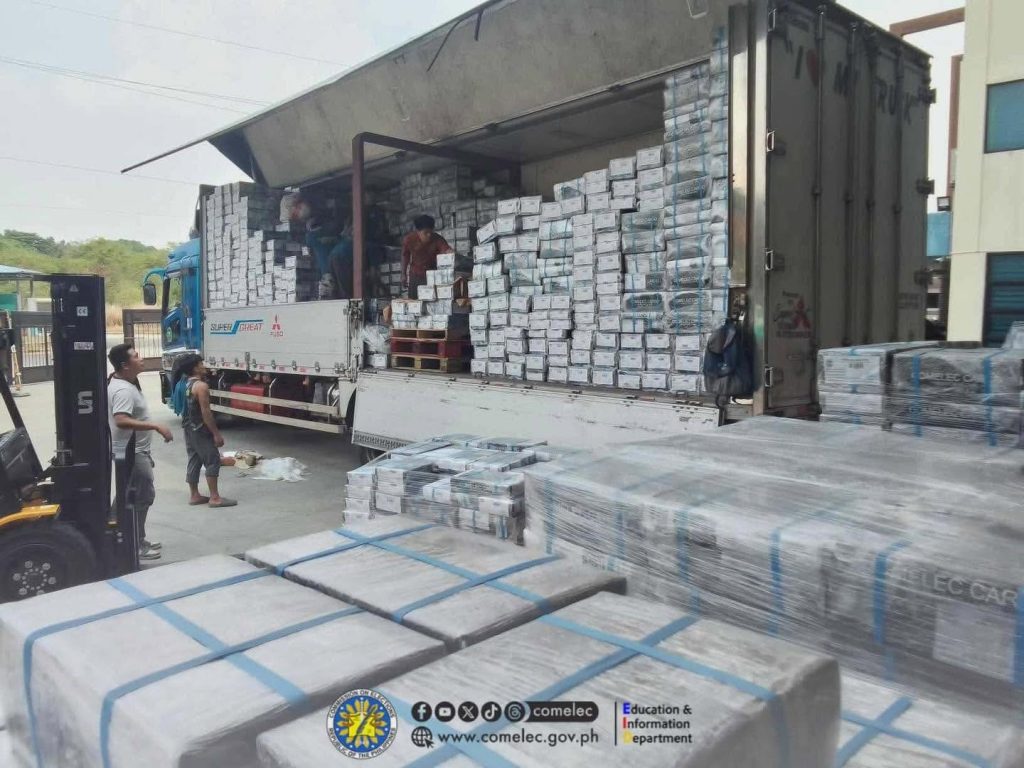
The ballots, which have been stored at the COMELEC warehouse in Biñan, Laguna, are being destroyed in accordance with election regulations to ensure that they can no longer be used or misused in any manner. The poll body said the process is necessary to preserve the integrity, security, and credibility of the electoral system.
COMELEC explained that the ballots have become obsolete following changes in the election schedule and the introduction of a new ballot design for the rescheduled BARMM Parliamentary Elections set for September 14, 2026.
The redesigned ballots will include newly accredited political parties and candidates who filed their Certificates of Candidacy from May 5 to 7, 2026, making the previously printed ballots unusable for the upcoming polls.
While election officials stressed the importance of safeguarding the electoral process, the destruction of more than 2.4 million ballots has also reignited public concerns over government spending and the cost of postponed elections.
The ballots were produced using public funds, covering expenses for printing, paper materials, security features, transportation, warehousing, and handling. With the entire batch now set for disposal, critics argue that a significant amount of taxpayers’ money has effectively gone to waste.
Observers note that although the postponement of the BARMM Parliamentary Elections may have been driven by legal, political, or administrative considerations, the financial consequences are ultimately borne by the Filipino people. Every ballot printed represented a government expenditure that can no longer serve its intended purpose.
The disposal process highlights the often-overlooked financial impact of election postponements. Beyond the costs of conducting elections themselves, changes in schedules can lead to the scrapping of millions of election materials, requiring additional funding for reprinting and logistical preparations.
As COMELEC moves forward with preparations for the September 2026 BARMM Parliamentary Elections, questions remain about accountability and whether mechanisms can be put in place to minimize similar losses in future electoral exercises.
For many taxpayers, the destruction of more than 2.4 million unused ballots serves as a stark reminder that government decisions often carry substantial financial consequences. While protecting the integrity of elections is non-negotiable, the incident also underscores the need for careful planning and efficient use of public resources to prevent millions of pesos from literally ending up in the shredder.