
SULU AND BASILAN — Strengthening territorial defense is no longer viewed solely as a military responsibility as the Joint Task Force (JTF) Orion, together with provincial governments, local government units, security forces, disaster response offices, and other government agencies, completed a two-day inter-agency exercise designed to test how quickly and effectively the government can respond to complex crises.
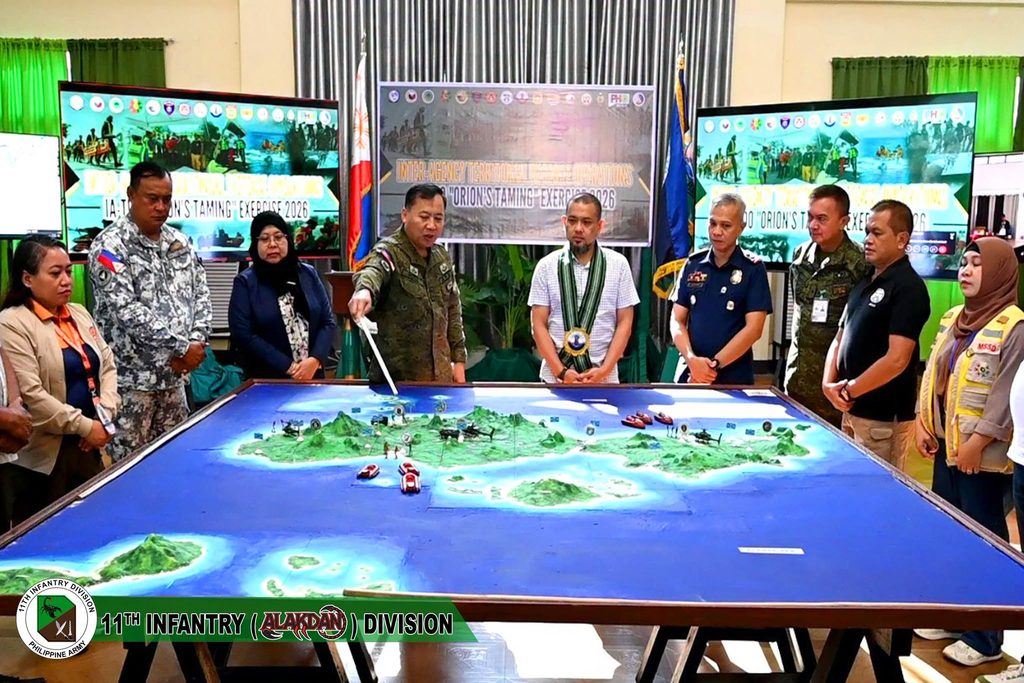
Dubbed Inter-Agency Territorial Defense Operations (IA-TDO) “Orion’s Taming” Exercise 2026, the activity was conducted on August 19 and 20 in the provinces of Sulu and Basilan, bringing together military and civilian institutions in a coordinated simulation of emerging security, territorial defense, humanitarian, and disaster-related contingencies.
The exercise was the culmination of preparations that began in June, when JTF Orion and its partner agencies started a series of planning sessions, coordination meetings, conferences, and inter-agency engagements.
Rather than focusing solely on the capabilities of individual organizations, the months-long preparation sought to establish a common understanding of the mandates, resources, responsibilities, and limitations of each participating agency.
The underlying objective was straightforward but critical: when a crisis occurs, agencies must know who does what, how information moves, who makes decisions, and how resources are brought together before the situation overwhelms communities and government systems.
Building a Common Response
The exercise reflected a whole-of-government and whole-of-community approach to territorial defense, recognizing that military forces cannot operate in isolation during complex emergencies.
While the Armed Forces of the Philippines remains at the forefront of defending the country against external threats, a major crisis can simultaneously require the intervention of local governments, police and maritime forces, firefighters, disaster response offices, health institutions, emergency responders, and community organizations.
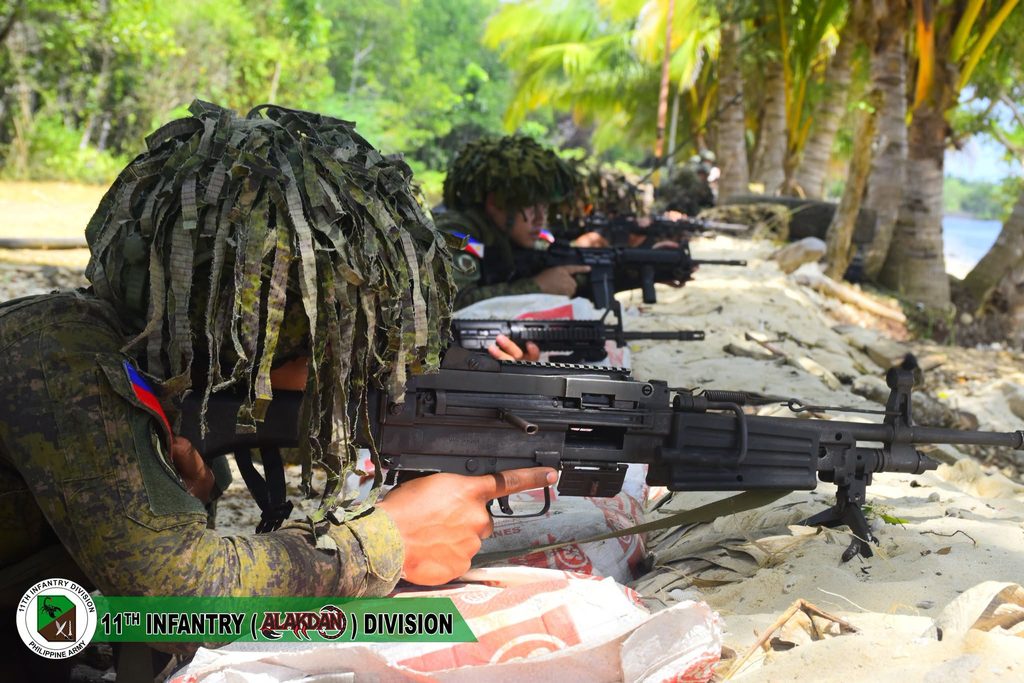
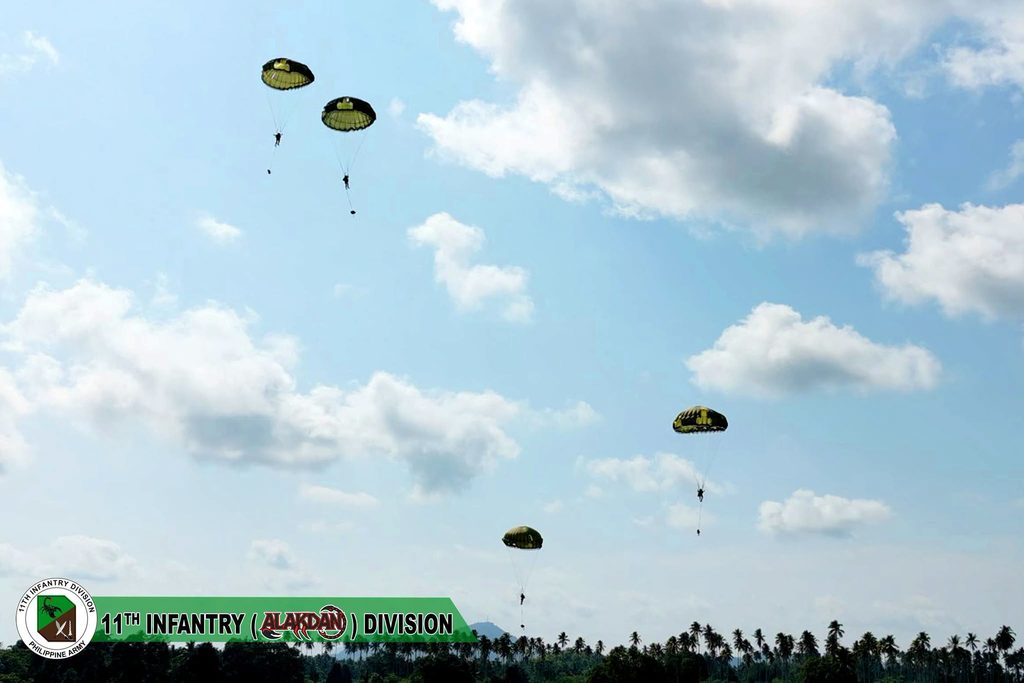
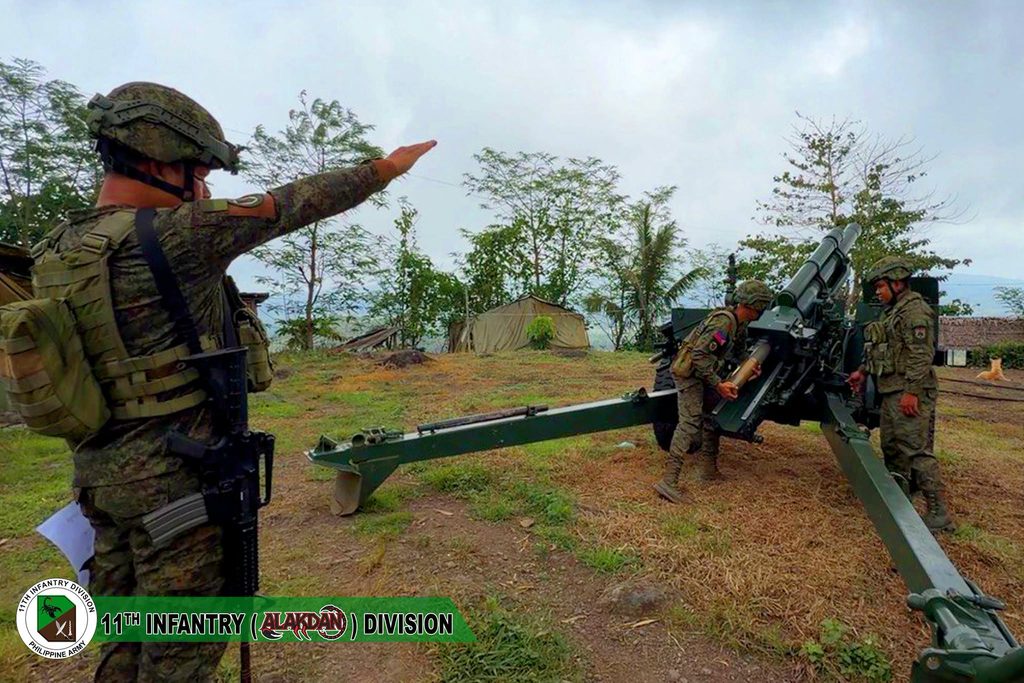
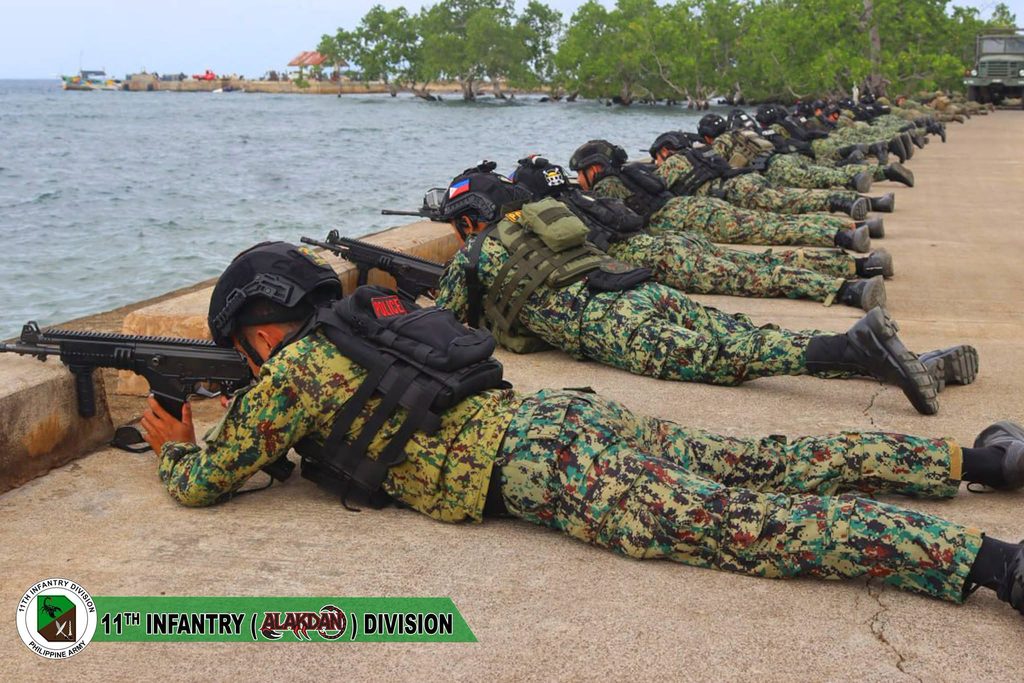
In Sulu, the exercise formally opened on August 19 at Kuta Heneral Teodulfo Bautista in Barangay Busbus, Jolo, with representatives from the Armed Forces, Philippine National Police, Philippine Coast Guard, Bureau of Fire Protection, Office of Civil Defense, provincial and municipal disaster risk reduction and management offices, local governments, health and emergency response agencies, and other stakeholders taking part.
The opening phase established the scenario, objectives, procedures, and safety considerations for the simulation.
Participants were then presented with an audiovisual depiction of a developing threat and evolving security situation. The scenario was intended to provide a common operational picture from which participating agencies could assess developments, exchange information, make decisions, and determine appropriate actions.
As the simulated crisis unfolded, participating organizations activated the Joint Inter-Agency Action and Coordination Center (JIACC) and corresponding emergency operations mechanisms.
The activation tested one of the most important components of crisis management: the ability of agencies with different mandates and command structures to operate from a shared understanding of the situation.
Communication, information sharing, coordination, decision-making, resource mobilization, and synchronization of response actions were placed under practical testing.
The exercise also assessed the readiness of military units and local government partners, including the 1102nd and 1103rd Infantry Brigades and the municipalities of Luuk and Indanan, in performing their respective responsibilities in territorial defense, civilian protection, emergency response, and community security.
From Military Response to Community Protection
The significance of the exercise extended beyond the simulated battlefield or security scenario.
In an actual crisis, territorial threats can quickly generate consequences for civilians—from displacement and disruption of essential services to damage to infrastructure, shortages of critical resources, injuries, and the need for emergency evacuation and humanitarian assistance.
That reality makes civilian preparedness an integral component of territorial defense.
A military unit may be capable of responding to a security threat, but local governments and disaster response agencies may simultaneously have to protect civilians, establish evacuation arrangements, maintain essential services, coordinate medical assistance, manage displaced populations, and communicate reliable information to communities.
The exercise therefore placed emphasis on the ability of different institutions to function as parts of a larger response system.
For JTF Orion and its partners, this meant testing not simply whether each organization could perform its own mission, but whether those missions could be effectively connected when circumstances demanded simultaneous action.
The activation of coordination and emergency operations mechanisms provided an opportunity to identify potential gaps in communication, decision-making, resource allocation, and inter-agency synchronization before such weaknesses could become costly during an actual emergency.
Basilan Continues the Test
The exercise moved to Basilan on August 20, where the same inter-agency framework was further tested with the participation of the 1101st Infantry Brigade, provincial and local government units, disaster risk reduction and management offices, security and law enforcement agencies, emergency responders, and other partner stakeholders.
The Basilan component expanded the exercise’s focus on coordinated preparedness for possible security, territorial defense, humanitarian, and disaster-related contingencies.
As in Sulu, the participation of civilian institutions was central to the exercise.
The involvement of provincial and municipal governments and emergency management offices underscored the importance of maintaining government functions and protecting communities even as security forces respond to a developing threat.
This is particularly important in geographically dispersed areas where an emergency can simultaneously affect several sectors and where response agencies may need to operate across municipal and provincial boundaries.
The exercise provided an opportunity for participating institutions to examine how their existing mechanisms would function under pressure and how their capabilities could be integrated with those of other agencies.
Territorial Defense as a Shared Responsibility
The conduct of “Orion’s Taming” comes against a broader recognition that territorial defense requires more than military strength.
A credible defense posture also depends on the resilience of local institutions, the preparedness of communities, the ability of emergency services to function, and the capacity of government agencies to maintain coordination during rapidly changing circumstances.
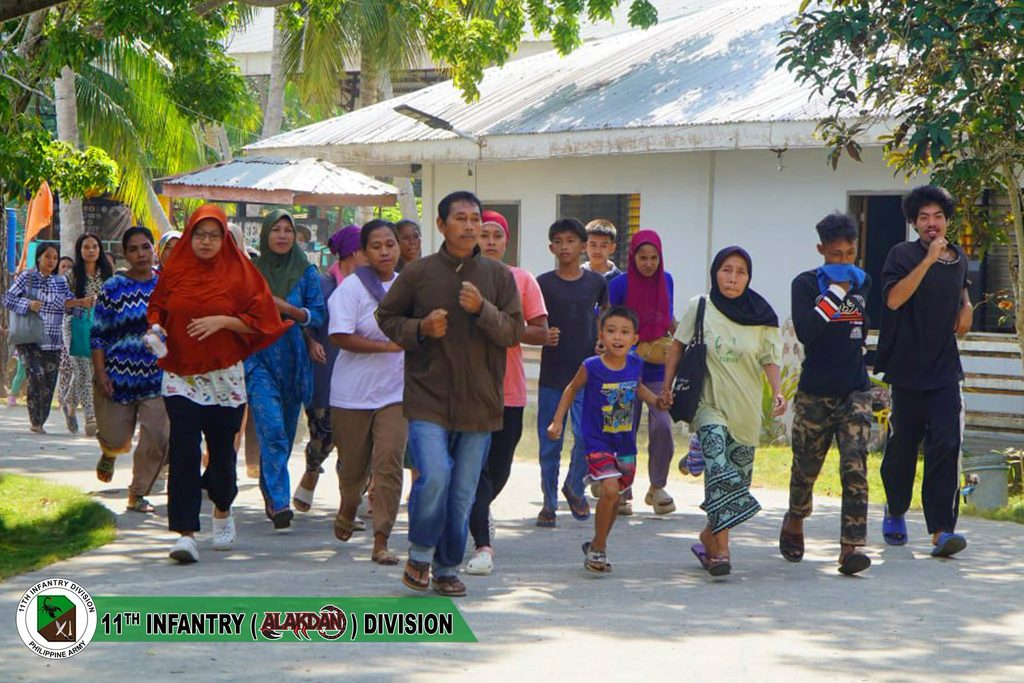
For local governments, this means being prepared to protect civilians and sustain essential services.
For law enforcement and emergency agencies, it means maintaining the ability to respond while coordinating with military and civilian authorities.
For disaster risk reduction offices, it means ensuring that established emergency mechanisms can be integrated into wider crisis operations.
For health and humanitarian responders, it means being prepared to support affected populations when a security crisis produces humanitarian consequences.
And for communities, resilience depends on having government institutions that can respond in a coordinated and timely manner.
The exercise therefore reinforced a central principle: territorial defense is a shared responsibility that extends from the military command structure to the local government and ultimately to the communities being protected.
Prepared Before the Crisis
One of the most significant aspects of the 2026 exercise was that its culmination in August was preceded by months of preparation.
Beginning in June, JTF Orion and its partner stakeholders worked through planning activities, coordination meetings, conferences, and engagements intended to clarify responsibilities and strengthen interoperability.
Such preparation is particularly important in complex emergencies where the first hours can determine whether agencies are able to contain a crisis or whether confusion and delayed decisions allow the situation to worsen.
A coordinated response requires more than knowing which agency is responsible for a particular task. It requires reliable communication channels, compatible procedures, shared information, clearly understood authorities, and mechanisms for rapidly mobilizing people and resources.
The exercise sought to put those requirements into practice.
Testing the System, Not Just the Participants
For JTF Orion, the value of IA-TDO Exercise 2026 went beyond demonstrating operational capabilities.
It served as a practical test of the system of coordination itself.
The participation of military units alongside provincial and municipal governments, the Office of Civil Defense, disaster risk reduction and management offices, police, coast guard, fire protection personnel, emergency responders, health institutions, and other stakeholders demonstrated an effort to build a response architecture in which different government capabilities can be brought together during a crisis.
Such interoperability can be particularly important when emergencies do not fit neatly within the jurisdiction or mandate of a single agency.
A security incident may become a humanitarian emergency. A territorial defense situation may require disaster response. A natural disaster may create security vulnerabilities. A large-scale emergency may require military logistics, police security, medical support, firefighting capabilities, evacuation management, and local government leadership at the same time.
The exercise was designed around that reality.
Strengthening Resilience in Sulu and Basilan
The successful conduct of “Orion’s Taming” in Sulu and Basilan ultimately highlighted the importance of preparation before a crisis occurs.
By bringing together agencies that would be expected to respond during an actual emergency, the exercise provided a venue for testing existing mechanisms, strengthening working relationships, clarifying responsibilities, and improving the ability to act from a common operational picture.
For communities in the Joint Operational Area, the broader significance lies in the government’s ability to translate coordination into protection.
Territorial defense is ultimately not only about securing territory. It is also about protecting people, preserving essential government functions, maintaining access to emergency services, and ensuring that communities are supported when confronted by threats or disasters.
Through IA-TDO “Orion’s Taming” Exercise 2026, JTF Orion and its partner stakeholders reaffirmed that preparedness cannot be built by one institution alone.
It requires military and civilian agencies to understand one another’s capabilities, communicate effectively, make decisions collectively when circumstances demand it, and mobilize available resources toward a common objective.
In Sulu and Basilan, the two-day exercise provided a practical demonstration of that principle—that a resilient territorial defense posture is built not only through armed capability, but through coordination, civilian preparedness, responsive governance, and a community-centered approach to crisis management.
As the exercise concluded, its most important test was no longer the simulated scenario itself, but whether the lessons, relationships, and coordination mechanisms developed over the preceding months can be sustained and translated into faster, more unified action when a real crisis eventually comes.